Yin Yoga as a Self-Compassion Practice
Originally published June, 2026
As a certified 200 hour yin yoga instructor and licensed therapist, I offer optional 15-20 minutes of meditation and yin yoga at the beginning of my therapy sessions.
Bringing these two supportive practices together: yoga and psychotherapy has been a powerful way for people to build a kinder connection to themselves (body and mind). It has also been a helpful way for people to learn practical stress reduction tools that can be used at home.
We start off with a body scan meditation, noticing the here and now physical sensations in your body. Next, we do a single yin pose, held for several minutes. After that, we process what you may have noticed during the embodiment practice and shift into the traditional psychotherapy session.
What is Yin Yoga?
There are several branches of yoga ranging from energizing to restorative/meditative practices. Yin yoga falls into the side of a more restorative or meditative embodiment practice.
Yin yoga focuses on holding poses for several minutes (5-8mins) in order to allow muscles to release tension and calm the nervous system. The longer held poses build awareness of your physical body, mental state, and emotions, helping you feel more connected to yourself. Yin yoga also involves using lots of props to help the body feel supported during the prolonged poses. Using props and deciding when and how to use them is a great practice for beginning to check in with yourself and consider your own body’s comfort and needs.
I often work with people who struggle with highly sensitive nervous systems, whether this is due to neurological wiring, trauma, or a combination of the two, who feel like they are living in a state of chronic high alert and stress.
In relationships, this can look like being overly focused on others and making sure that others are okay, to the point that it feels really hard or impossible to know what you’re feeling or what you need. Internally, your thoughts and emotions can feel unsafe due to being relentlessly self-critical.
Yin yoga practice helps the nervous system downshift and reduce feelings of stress and overwhelm. It can feel like a full mind/body exhale.
As a certified 200 hour yin yoga instructor and licensed therapist, I have blended my passions for both of these topics into a unique practice: yin yoga as an embodied self-compassion practice.
Self-Compassion in Yoga Practice:
Mindfulness: Noticing what sensations are in your body during the pose. Does the stretch of your muscles feel too intense, or is there maybe not enough of a sensation? Are you feeling pain or discomfort? What emotions begin surfacing in the stillness?
Common Humanity: Holding in mind during your practice that all of our human bodies are different with shifting abilities and capacities day to day. This is a universal human experience.
Self Kindness: What can you do to help yourself feel more comfortable and at ease in the pose? Do you need to add some props? Do you need to decrease the intensity of your stretch? Meeting yourself and your body as you are without judgment or criticism.
Bringing these two supportive practices together: yoga and psychotherapy has been a powerful way for people to build a kinder connection to themselves (body and mind).
It has also been a helpful way for people to learn practical stress reduction tools that can be used at home.
If you’d like to learn more about integrating yin yoga and psychotherapy you can contact me here. As an additional bonus for clients, I offer free access to a meditation library of audio guided meditations as well as yin yoga videos.
Your fellow human,
~Alex
Keep reading for more inspiration:
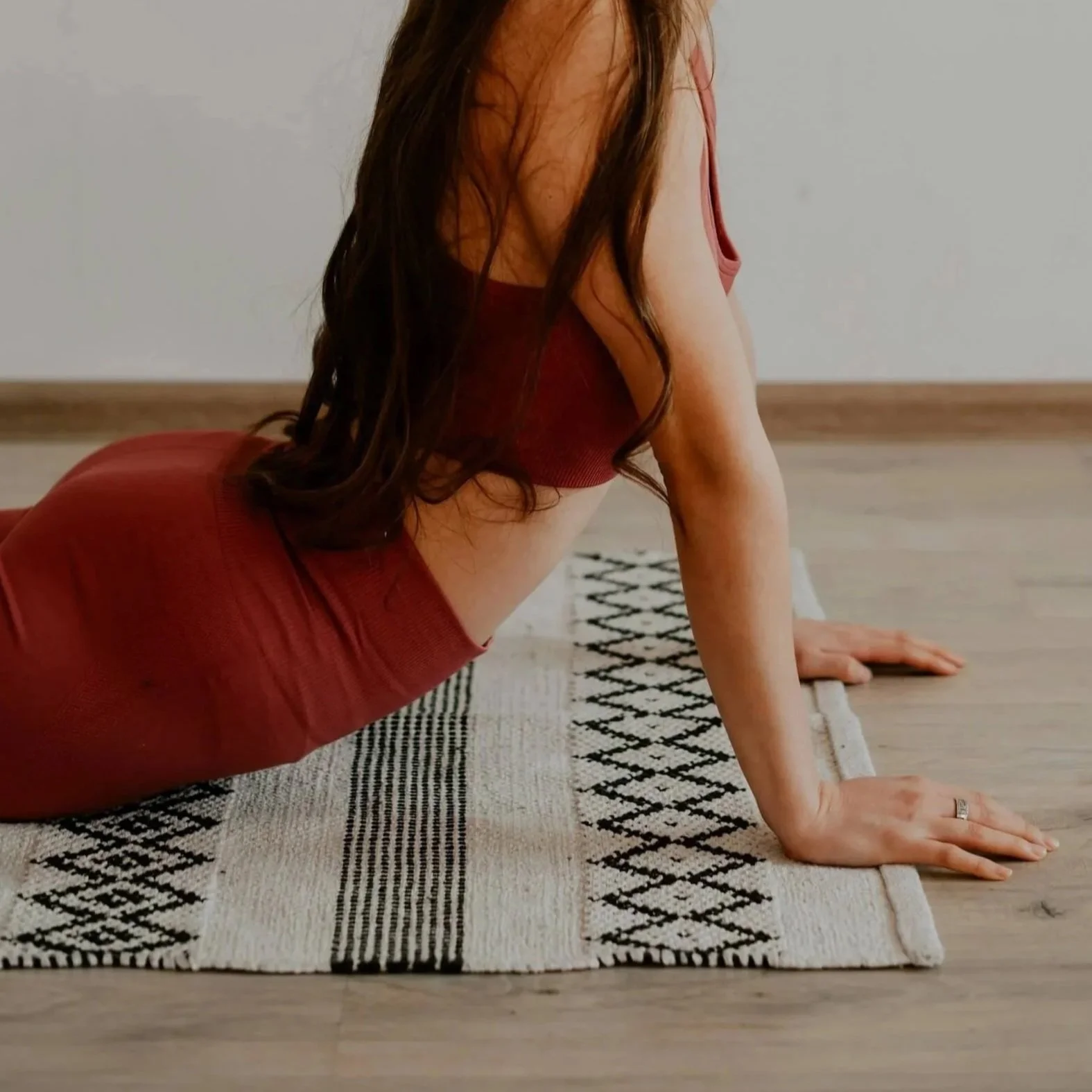



I’m Alex, a licensed psychotherapist in Richmond, VA.
I help adults who may have experienced trauma in close relationships break free from the grip of shame and self-criticism. I help them make lasting change and show up as their full, authentic selves.